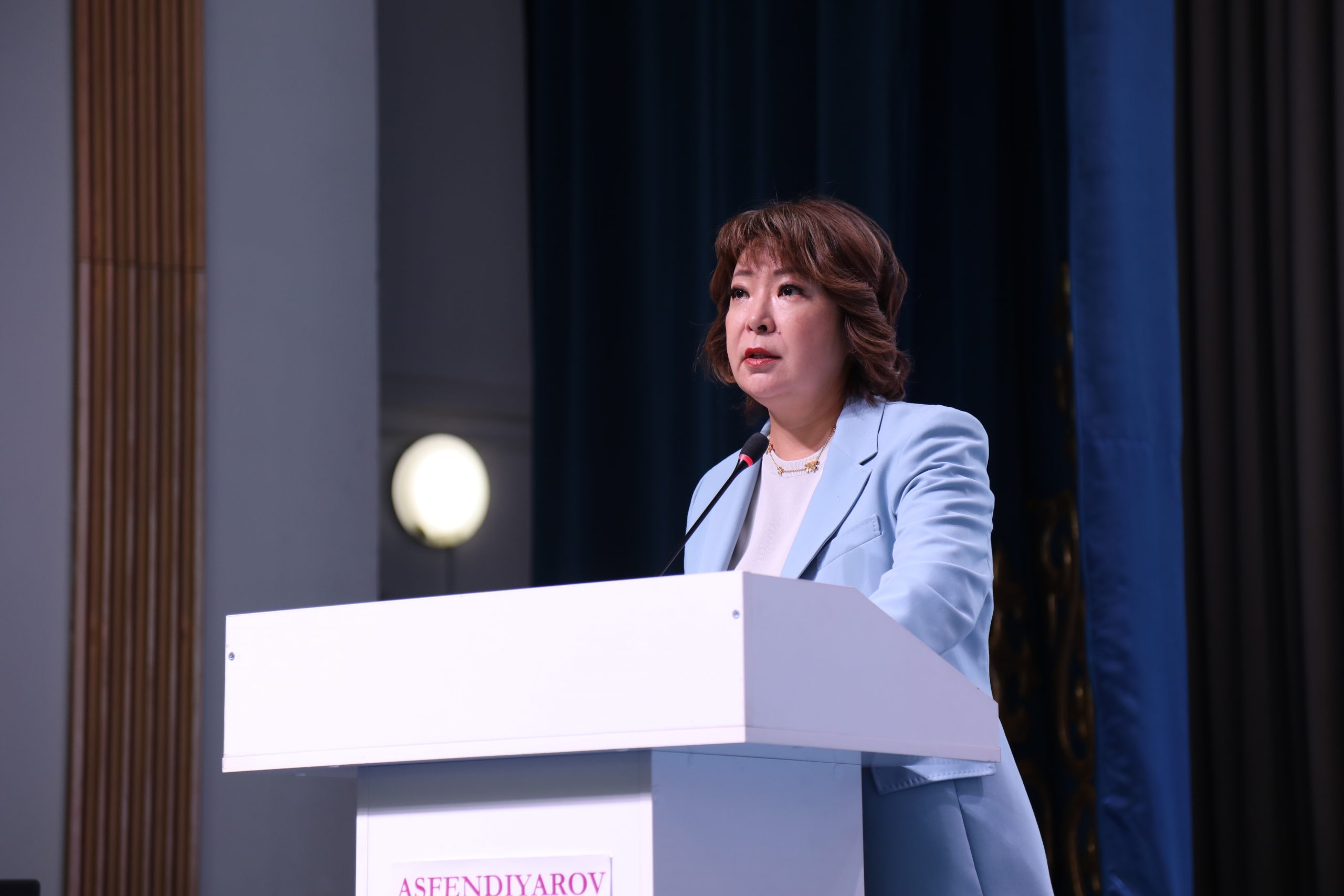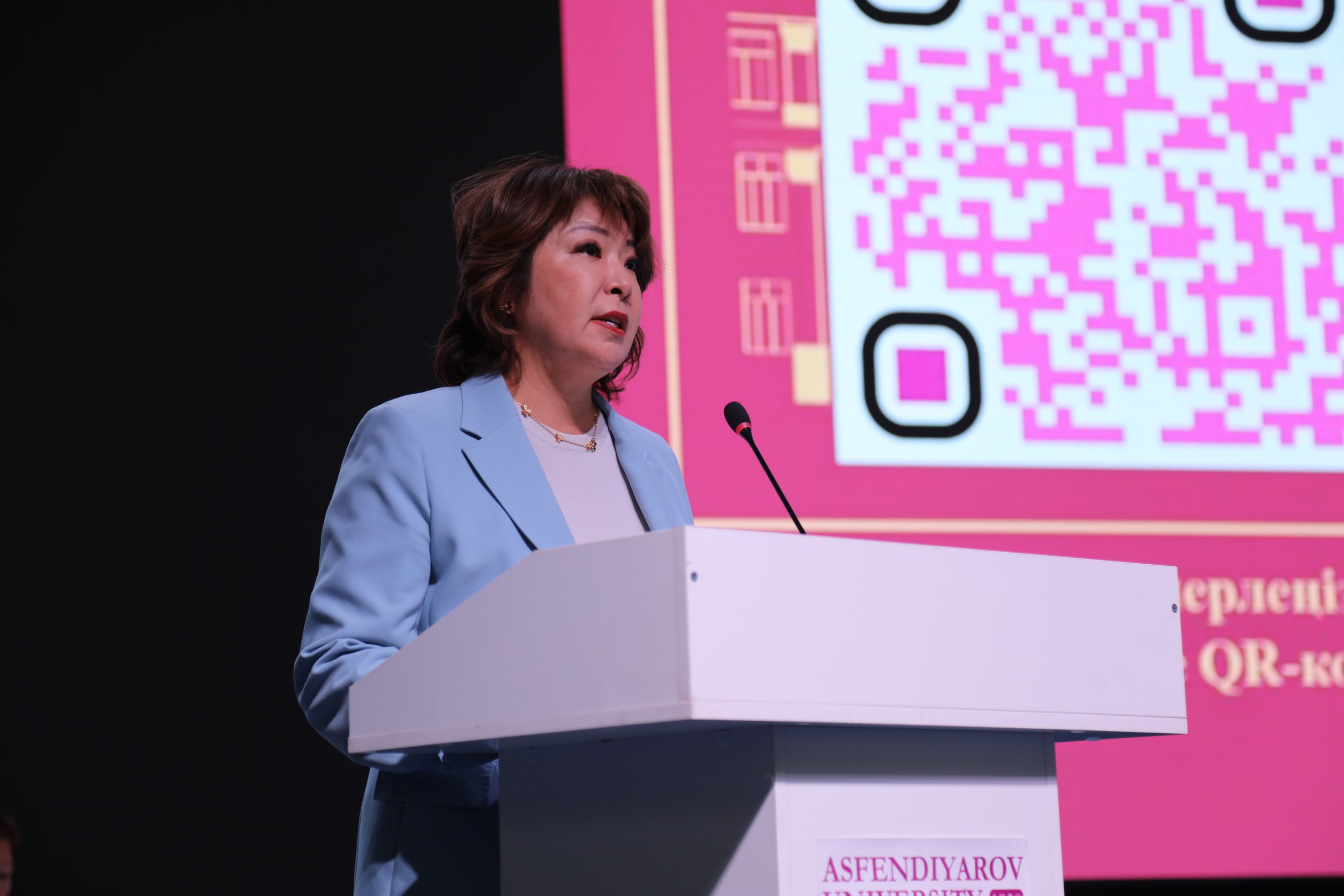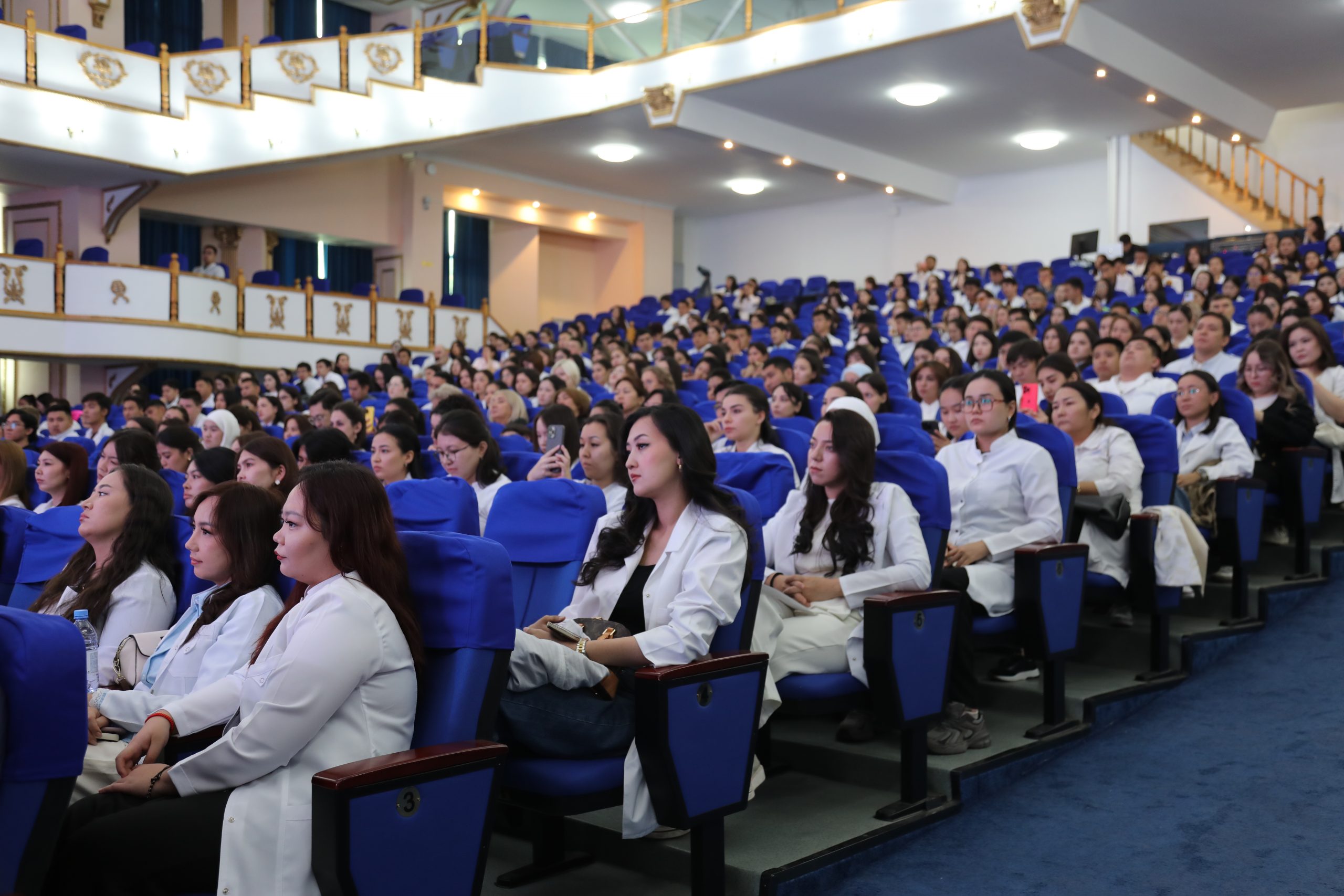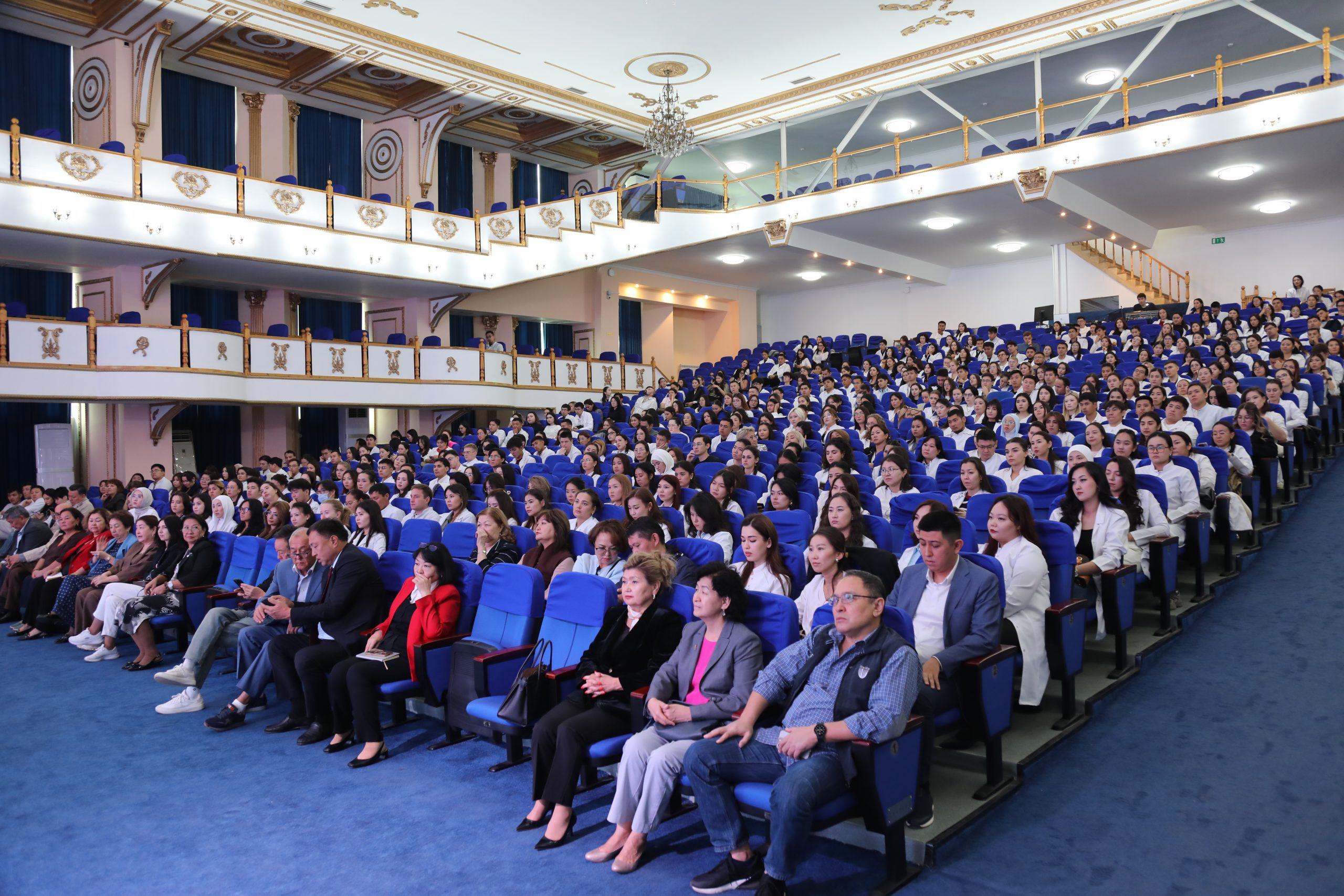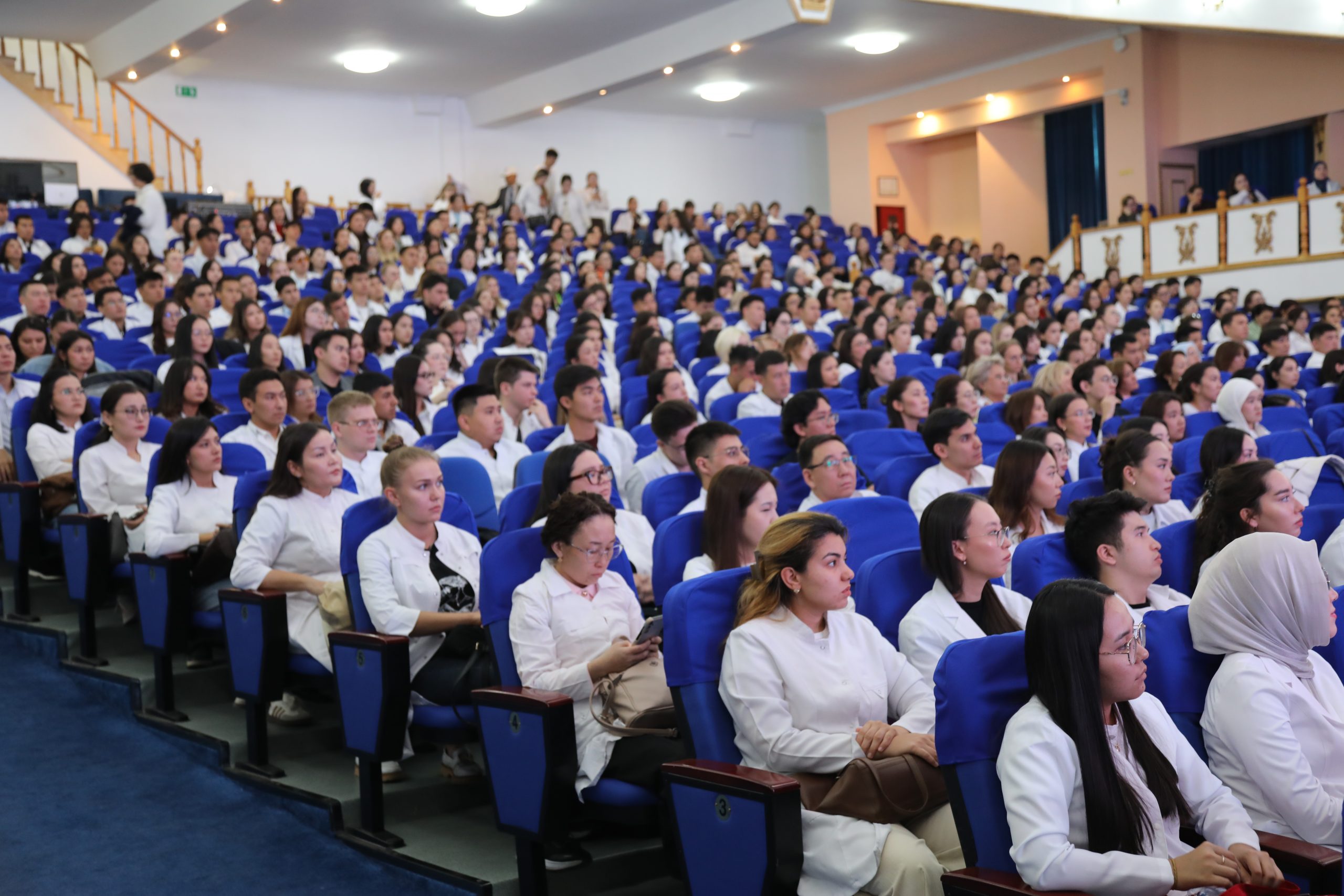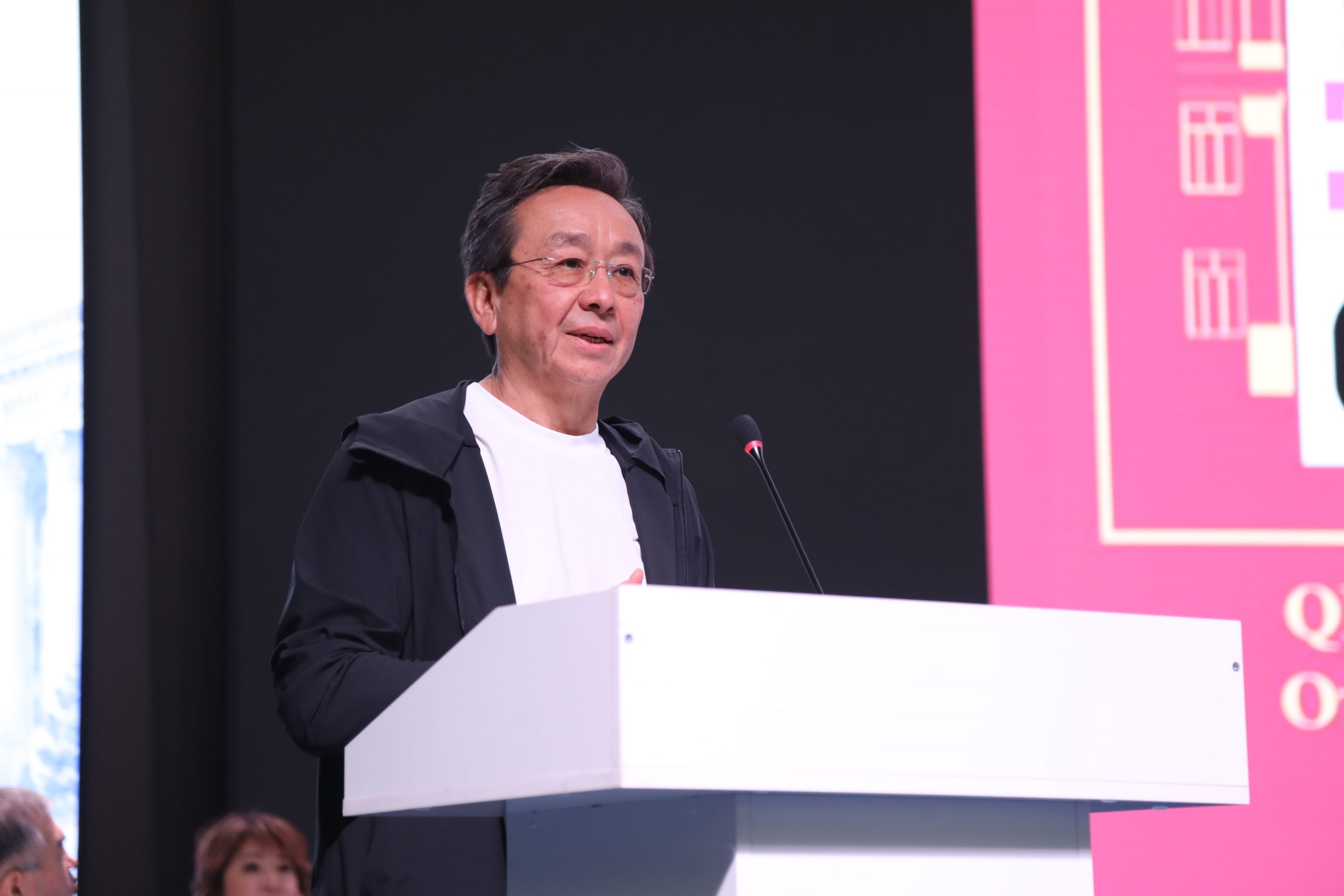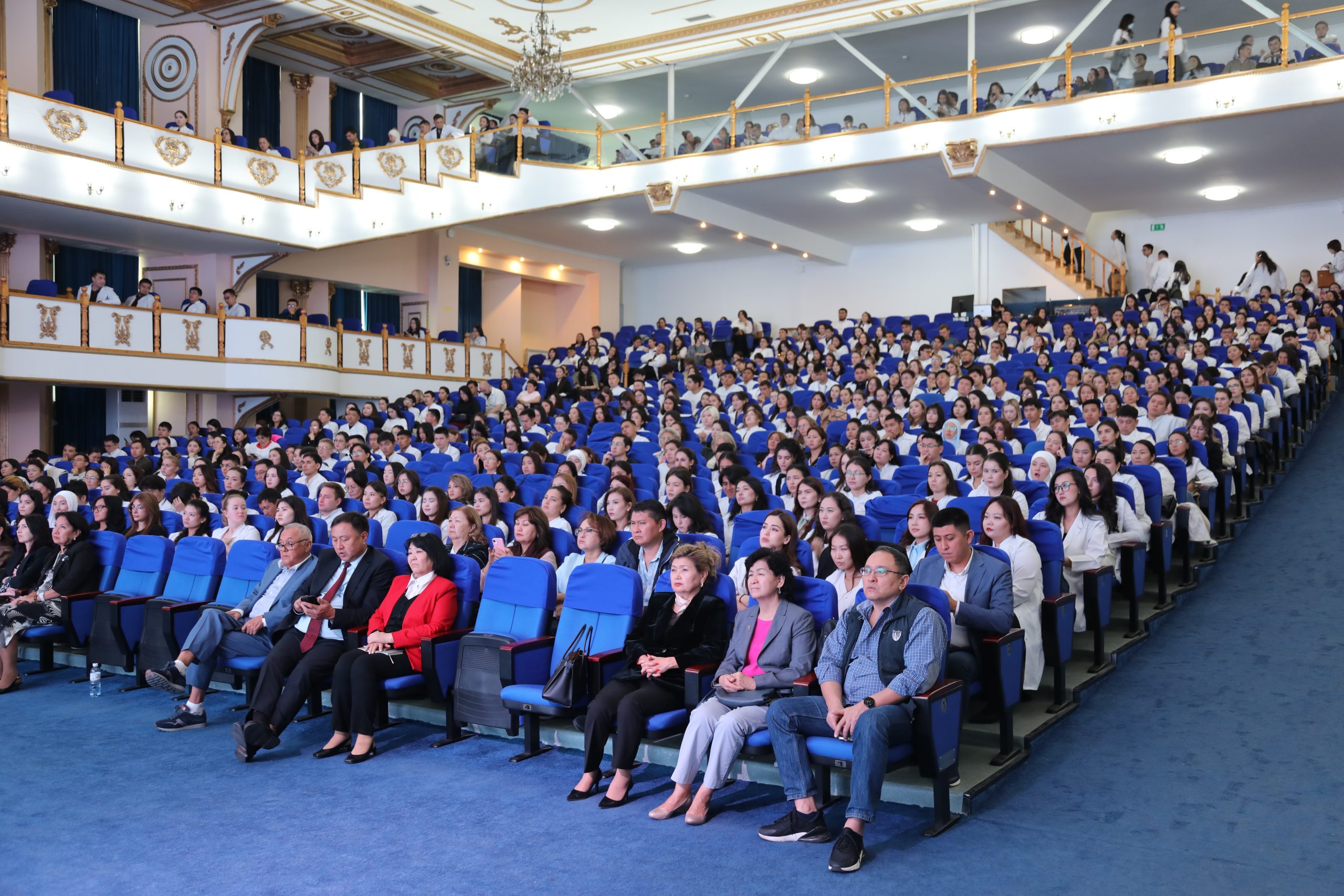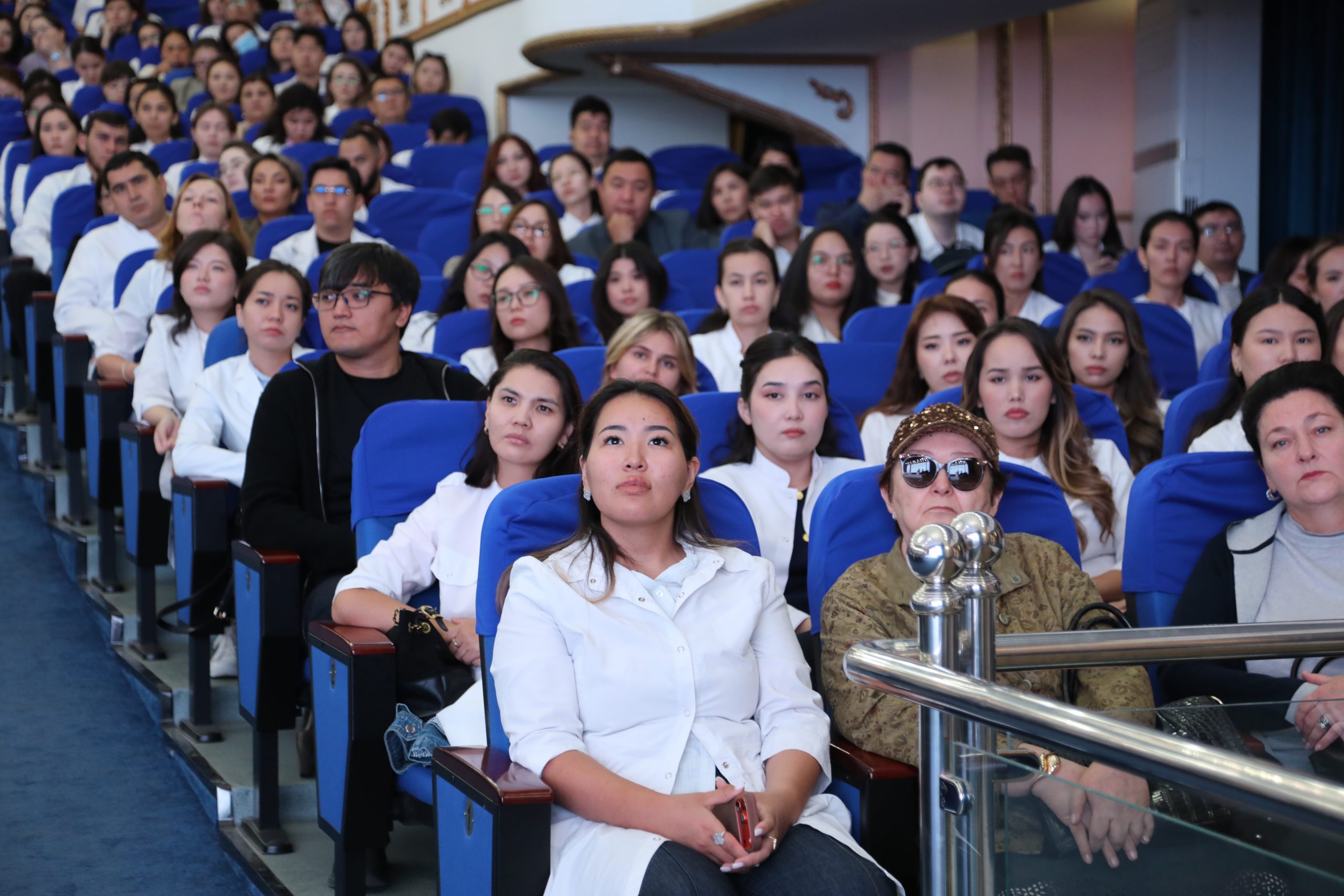
С.Ж. Асфендияров атындағы Қазақ ұлттық медицина университетінде жаңа оқу жылының басталуына орай айтулы іс-шара өтті. Жиын аясында 2026-2027 оқу жылына қабылданған магистратура және докторантура білім алушыларымен ресми кездесу ұйымдастырылды. Кездесудің басты қонағы — Қазақ тағамтану академиясының президенті, Америкалық қоғамдық денсаулық сақтау қауымдастығының мүшесі, профессор Алмаз Төрегелдіұлы Шарман болды.
Asfendiyarov Kazakh National Medical University hosted an official orientation meeting for Master’s and PhD students admitted for the 2026–2027 academic year. The keynote speaker of the event was Professor Almaz Sharman, President of the Kazakh Academy of Nutrition and member of the American Public Health Association.
For the 2026–2027 academic year, KazNMU has enrolled 110 Master’s students across 21 educational programs in 9 academic fields, all designed to address the pressing demands of modern society and the healthcare sector. Additionally, 29 PhD candidates were admitted across 5 doctoral programs. Ten of these doctoral students will pursue their research through a consortium formed between the university and leading national research centers: the Scientific Research Institute of Cardiology and Internal Diseases, the Kazakh Research Institute of Oncology and Radiology, the A.N. Syzganov National Scientific Center of Surgery, and the National Scientific Center of Obstetrics, Gynecology and Perinatology.
Opening the meeting, First Vice-Rector of KazNMU Dilyara Kaidarova addressed the incoming scholars:
“I sincerely congratulate you on entering the highest level of education and scientific research! This is a pivotal step in your professional and academic journey. Our university is committed to providing all necessary resources so that you can conduct fundamental research and contribute meaningfully to domestic and global science.”
Key Steps for a Successful Academic Start:
-
Appointing Scientific Advisors: Within the first two months, students must select domestic and international research advisors and get them formally approved at the departmental meeting.
-
Selecting a Research Topic: Define a relevant direction for the doctoral dissertation and officially register it with the University’s Scientific Council.
-
Drafting an Individual Work Plan (IWP): Develop and approve a comprehensive 3-year plan covering theoretical studies, research activities, and internships alongside the scientific supervisor.
-
Academic Registration: Complete registration on the university’s internal online portal and register for elective courses corresponding to the chosen field of study.
What Students Can Expect During Their Studies:
-
Theoretical Coursework: In-depth study of specialized academic disciplines during the initial phase.
-
Research and Development (R&D): Laboratory research, writing, and publishing scientific articles in international indexed journals (Scopus, Web of Science).
-
Pedagogical and Research Practice: Lecturing university students and applying research methodologies in practice.
-
International Internships: Gaining hands-on experience and conducting collaborative research at leading global universities and scientific institutions.
For organizational inquiries, students can contact the Department of Master’s and Doctoral Studies (Office 401, B. Atshabarov Scientific Research Institute of Fundamental and Applied Medicine).
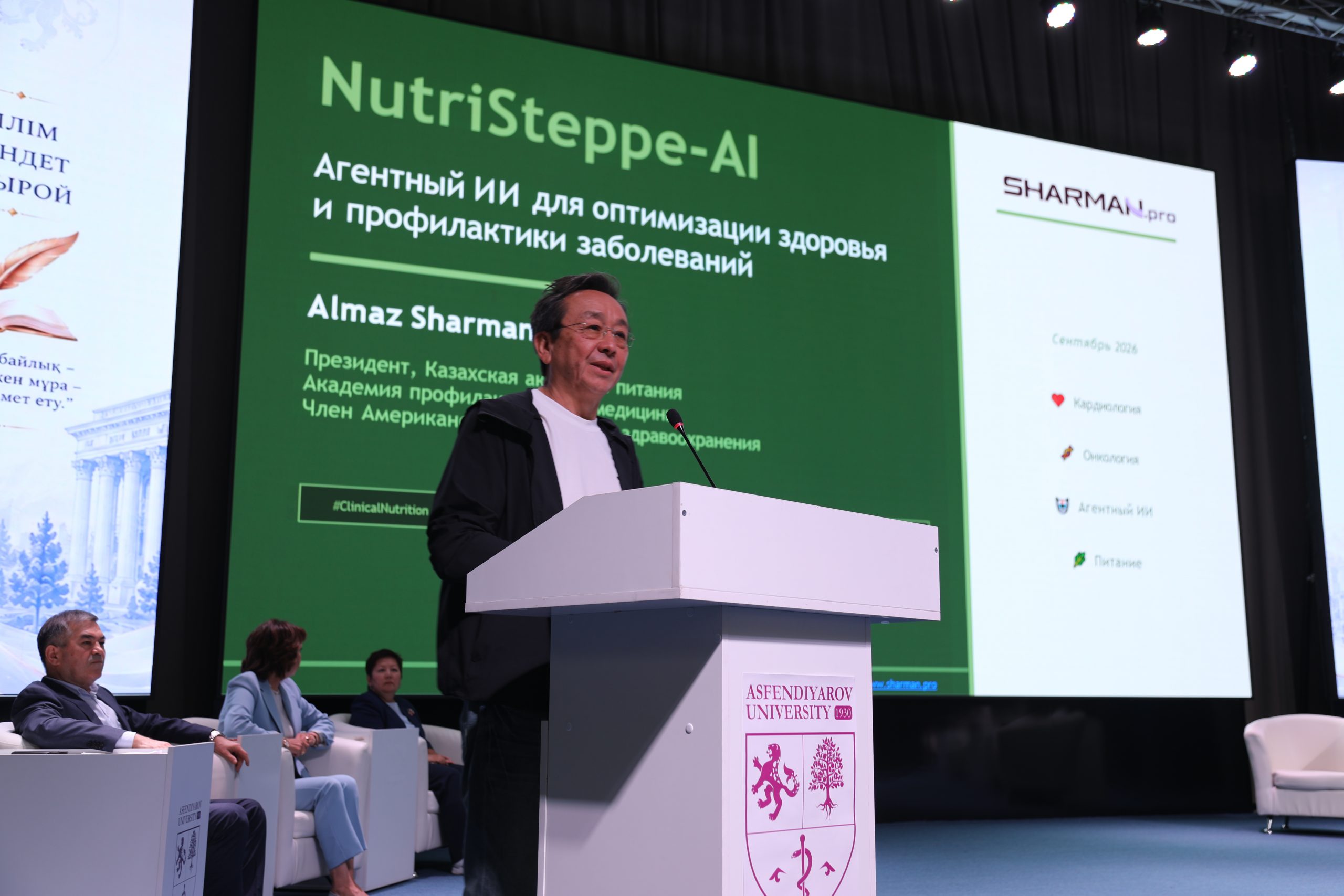
During the keynote session, Professor Almaz Sharman delivered a lecture focusing on global healthcare transformations, the transition from traditional treatment of disease outcomes to the concept of “constructive health,” and the integration of agentic artificial intelligence technologies.
Professor Sharman introduced NutriSteppe-AI (Tagam AI), a national digital platform designed to automate therapeutic and preventive nutrition.
“The paradigm of medicine is evolving: we are moving away from merely identifying and treating symptoms toward activating the body’s intrinsic potential. Up to 80% of cardiovascular diseases and cancers can be prevented through systematic lifestyle and dietary interventions. However, without digital support, patient adherence to dietary recommendations remains below 30%. Agentic AI provides a solution to this challenge,” stated Almaz Sharman.
NutriSteppe-AI operates as a hybrid system: a language model interacts with the user, while an algorithmic backend—incorporating data on 27,000 products and 7,000 regional dishes—executes clinical calculations. By taking a photo of a meal, users receive detailed information on calories, macronutrients (proteins, fats, carbohydrates), and micronutrients within seconds. Beyond calorie tracking, the platform complements pharmacotherapy, enhancing treatment efficacy by 25–35%.
The presentation demonstrated mechanisms for adapting dietary plans using AI for specific conditions, such as type 2 diabetes, arterial hypertension, and metabolic syndrome. The algorithm utilizes the Healthy Food Index (HFI) and a “traffic light” rating system to help users limit ultra-processed foods containing high levels of salt, sugar, and saturated fats.
Concluding his address, Professor Sharman highlighted the concept of “Living Intelligence,” outlined in the 2026 White Paper. This model integrates biosensors for continuous monitoring, artificial intelligence, and biotechnology, aimed at around-the-clock health tracking and the prevention of chronic non-communicable diseases.
Advanced technologies and the “Living Intelligence” framework represent modern tools for safeguarding public health. The faculty and administration of Asfendiyarov KazNMU wish the young scientists outstanding success in their research and scientific endeavors!